
YOGI ASTROLOGY
Understand Your Patterns. Live More Consciously.
Discover what your Vedic Chart reveals about your nature, relationships, strengths, challenges and the patterns shaping your life. Not as a fixed destiny, but as a deeper way to understand yourself.
Explore Yogi Astrology
Vedic Birth Chart
Understand the patterns you were born with.
A deep, personalized analysis of your birth chart — your planetary patterns, strengths, challenges, important configurations and major life cycles.
70-page Personalized Report
Multiple Vedic Methods of Analysis
Practical Insights and Recommendations
Delivered in 3-5 days
A personalized Vedic astrology report exploring your birth chart, planetary patterns, strengths, challenges and major life cycles.
Created from your exact birth details and analyzed using multiple classical and advanced Vedic methods.
Includes: approximately 70 pages of personalized analysis, Yogi Press recommendations, and a downloadable PDF.
Vedic Compatibility
Understand the relationship beneath the surface.
Explore two individual charts and what emerges when they come together. Discover patterns of attraction, communication and emotional connection, alongside area of natural harmony, tension and potential growth.
In-depth Analysis of both charts
Multiple Vedic compatibility methods
No simplistic compatibility score
Delivered in 3-5 days
A comprehensive Vedic relationship analysis based on both partners' birth charts.
Rather than reducing your relationship to a single compatibility score, the report uses multiple Vedic methods to explore areas of harmony, potential friction, individual relationship patterns and opportunities for greater understanding.
Includes: approximately 95 pages of personalized analysis, Yogi Press recommendations, and a downloadable PDF.

Astrology as a Tool for Awareness. Not a Verdict on Your Life.
At Yogi Press, we approach astrology in the same spirit as yoga: as a tool for greater self-understanding.
A birth chart can reveal patterns. It can show strengths, tensions, tendencies and periods of change. But recognizing a pattern is not the same as being bound by it.
That is why our reports do not reduce a person to a handful of placements, or a relationship to a single compatibility score.
That is why our reports do not reduce a person to a handful of placements, or a relationship to a single compatibility score.
We use the chart to understand the terrain, and provide insights and recommendations for working consciously with what we find.
The chart shows the terrain. What you do with it remains yours.
More than a Collection of Placements
Many automated astrology reports interpret one placement at a time: a planet in a sign, a house or an aspect, followed by a predefined interpretation.
We take a different approach.
We examine your chart through multiple Vedic methods: planetary condition, houses and lordships, nakshatras, yogas, divisional charts, timing systems and other special conditions.
But the real difference is not simply using more methods.
It is bringing them together.
We cross-analyze the findings to identify patterns that repeat, reinforce, modify or challenge one another. The result is a more layered and contextual interpretation of the charts as a whole.
Multiple methods. One integrated analysis. A deeper understanding of your chart.
Learn
Yogi Press explores the practices, ideas and traditions that helps us understand ourselves and live more consciously.
Explore our library of articles on yoga, meditation, consciousness, relationships, Ayurveda, and the inner life.
Yoga Theory

In this video, Ked speaks about why so many of us often feel anxious and stressed. How meditation returns the mind to a calm state, what Chidakasha meditation is and how mental obstacles are destroyed during meditation.

Meditation helps us realize that the source of all our problems lay within. They are caused by our own inability to deal with the dynamics of life. This realization helps us focus our energy on that part of existence we can immediately change – ourselves.

During the practice of Pranayama the respiratory process and its associated movements within the lungs are controlled. The control of these physical processes allows us to manipulate and move our Prana by will.

Kriya Yoga is hailed as one of the greatest techniques to achieve higher states of consciousness. It is very effective because it directly influences the great Prana known as Kundalini energy, which lies dormant at the base of the spine.

Antar mouna gently redirects the mind to focus on a neutral object of choice. It teaches the mind to observe itself instead of focusing solely on the world around it.

Transcendental Meditation is a simple and effective technique that conditions the mood, nurtures the soul, and ignites the spiritual spark. Adding it to our daily wellness routine promises to help manage stress, minimize anxiety and control blood pressure, amongst other health benefits.

The Sun Salutation or Surya Namaskar is one of the best ways of achieving a vigorous body whilst preparing ourselves for higher yogic practices

Dharma is the universal law that determines the place and role of every creation, from the intelligent human to the smallest microbe. It not only designates a purpose but also decides how every creation should function in harmony with others.

The ability to step back from our idea of ourselves and to be able to witness our own mind and body as though from the outside will help us gain foresight into our true nature.

A full guide to mantra yoga and japa yoga theory, together with a list of the most powerful and popular mantras and chants with their meanings.

The chakras function as controls, which are able to activate our higher capacities of consciousness. Here is a full guide to the chakras.

The benefits of Vipassana and other forms of insight meditation stem from the power that these practices hold to bring us towards inner balance, mental clarity, and non-attachment.
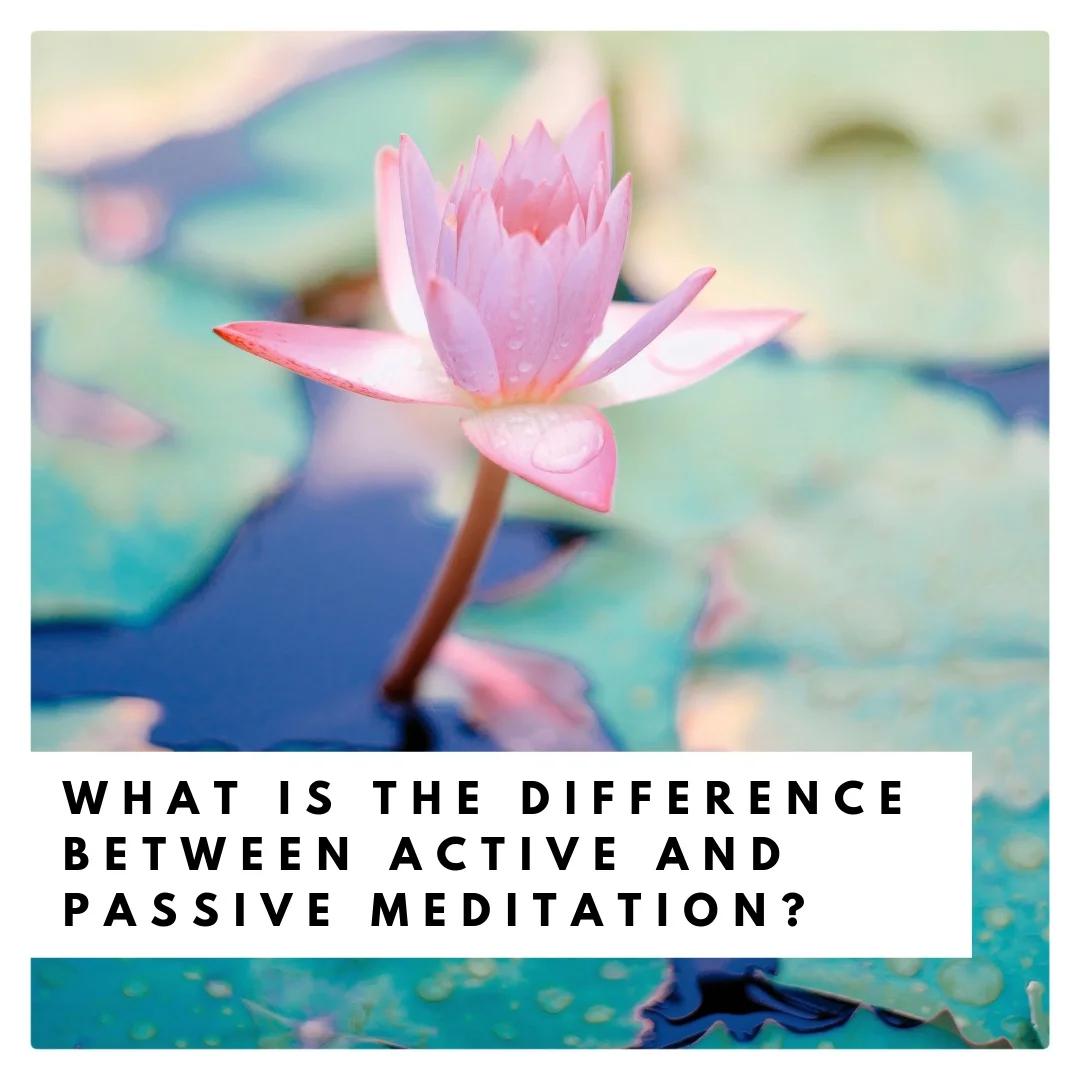
Practising passive meditation regularly with enthusiasm, takes one spontaneously into active meditation over time. As the mind learns to dive deeper into its own depths it relaxes. And over time one finds oneself in a spontaneously meditative state, even while doing mundane tasks.
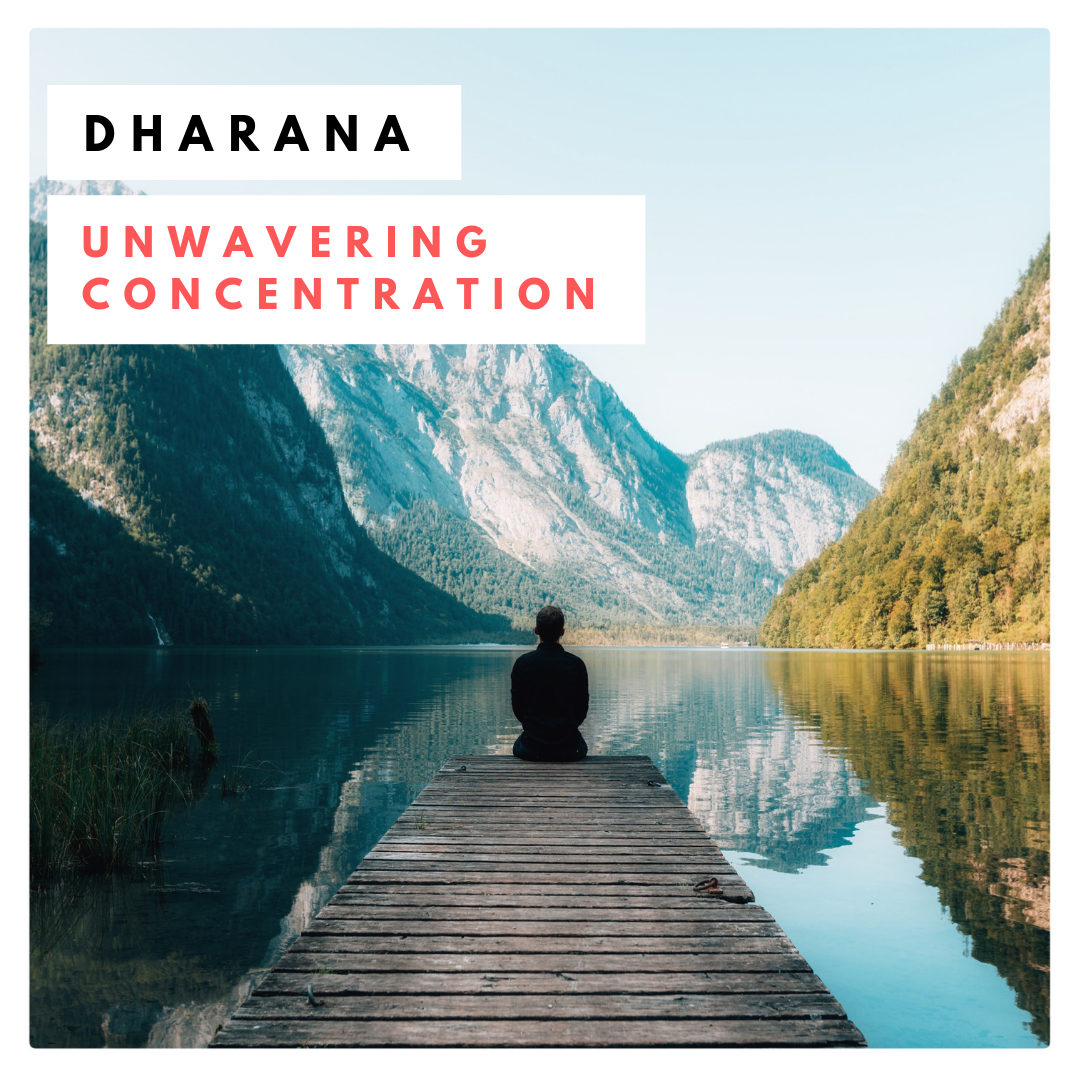
Dharana translates to “unwavering concentration” and is the sixth limb of Patanjali’s Raja Yoga. The objective of the practice is to maintain a one-pointed mind, free from all mental, emotional and physical distractions.

There are seven dhatus or bodily tissues, which make up the entire human body. When the dhatus are in balance, the individual experiences perfect health and wellness.

Trataka is a powerful form of meditation, which is practiced in both Hatha and Raja yoga. Trataka improves eyesight and develops concentration and memory. It also helps pacify nervous disorders, anxiety and insomnia.

Prana is our very life force and our body needs a certain amount of prana each day. However the prana consumed by the brain is a much subtler version, which requires transformation through certain techniques.

Brahma Muhurta translates to the “time of divinity”, a period which is considered to be the ideal time to practice asanas, pranayama, meditation and mantra chanting.

The practice of Ajapa Japa combines meditation, pranayama and mantra and is one the most important meditative practices which can lead to samadhi or enlightenment.
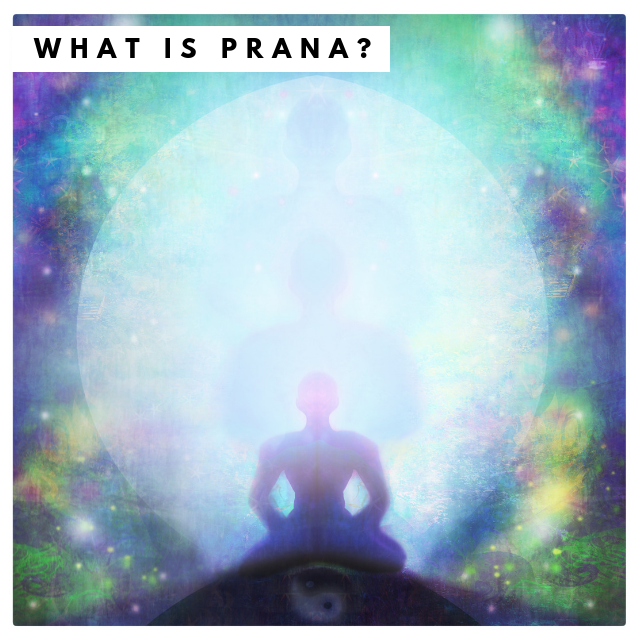
The whole of creation is formed by Prana – the universal energy from which all energies stem – and Chitta, universal consciousness. Life as we know it arises from the union between Prana and Chitta.
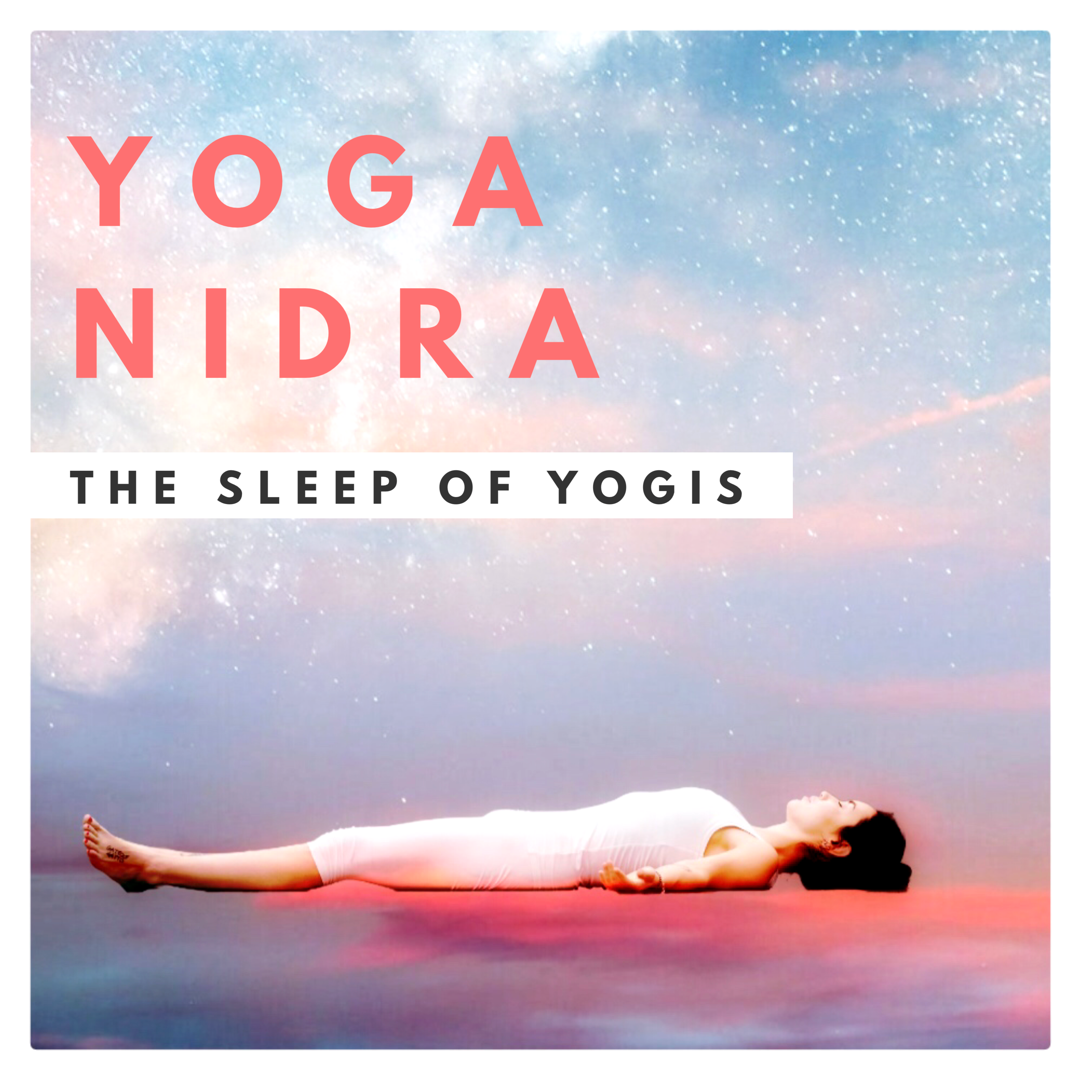
Yoga Nidra is one of the most powerful meditative techniques of the Tantras. The process involves temporarily suspending the connection between the mind and the senses, whilst remaining awake.

The SWAN meditation – short for strengths, weaknesses, ambitions and needs – helps us to do just that. The technique allows us to develop a continuous awareness of the most influential factors of our lives. By practicing the SWAN technique, we learn to see things for what they truly are rather than what we desire them to be.

Karma Yoga is the yoga of action, and one of the four main paths of yoga. Karma yoga teaches us how our deeds can help us grow spiritually and pave the way for self-realisation if they are performed selflessly.

The Kleshas are obstacles to our spiritual progress. By understanding the five Kleshas, learning to reduce their stranglehold on life and destroying them, we can reduce pain and suffering, and finally get a glimpse of Atman – the inner self.

The following text is a description of Ambalatthika-rahulovada Sutta – The Pali text named “Instructions to Rahula at Mango Stone.” The text details the first and one of the most important exhortations given by Buddha to a young Rahula, his son.

Ahimsa is the first and foremost of the yamas and the basis of compassion. Fearlessness, courage and love are all founded on ahimsa.

Guru Poornima is that day in which we can connect with the universal guru energy and to the inner guru tattwa or master element.

Gautama’s Buddha worked ceaselessly for the good of mankind, and was renowned for his ten great virtues: “Itipi So Bhagava Araham Sammasambuddho Vijja-Carana Sampanno Sugato Lokovidu AnuttaroPurisa Damma-Sarathi Sattha Deva-Manussanam Buddho Bhagavathi”
![[VIDEO]: The Four Paths of Yoga](https://images.squarespace-cdn.com/content/v1/594a696c20099ea9e1fcb37e/1528992137938-LXIXU99VWJGCEDKLAE44/The+Four+Paths+of+Yoga.png)
There are four main paths in yoga: Karma yoga, Bhakti yoga, Raja yoga and Jnana yoga. All four paths lead to the same destination, but each one of them is suited to a different temperament or personality.
Yoga, Mind & Consciousness

Stonewalling isn’t just silence. It’s a shutdown response that can quietly damage connection if misunderstood.
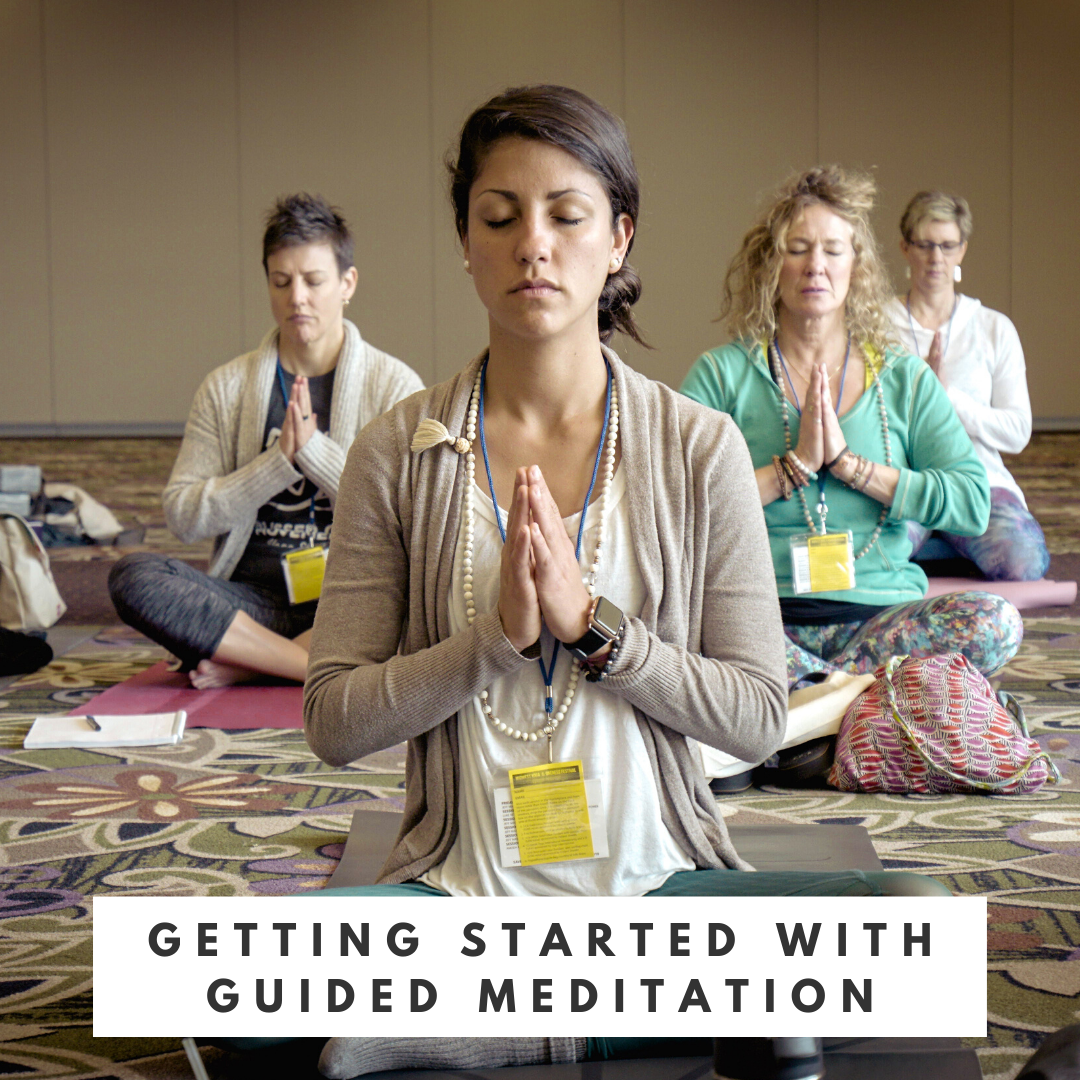
Meditation is not about controlling the mind, it is about observing and befriending the mind, with the objective of emptying the mind of all that we do not need. Guided meditation can help this process, easing us into the practice and helping us progress faster by using proven techniques designed to help us achieve deep meditative states.
In this video, Ked speaks about why so many of us often feel anxious and stressed. How meditation returns the mind to a calm state, what Chidakasha meditation is and how mental obstacles are destroyed during meditation.

As long as you we perceiving anything, it is in duality. As long as we see or know, and use any sense and/or the mind, then there is duality

Journaling is a great tool for introspection and self-reflection. It can help us reach our objectives, understand our relationships, lead to great insight and help us sleep better. One study even found that journaling can actually boost our immunity.

Letting go not only of the past, but also of the future, relaxes and calms tense, angst ridden nerves that can constrict blood flow from and to the heart and also shorten telomeres in the brain network, giving rise to accelerated illness and ageing.

Patanjali – a contemporary of Buddha – is considered the father of modern yoga. He compiled the Yoga Sutras and established the system of Raja Yoga.

What is the truth about enlightenment? Is it possible? What am I and What am I not? Reflecting on the questions that will help us realize our true nature.
Meditation helps us realize that the source of all our problems lay within. They are caused by our own inability to deal with the dynamics of life. This realization helps us focus our energy on that part of existence we can immediately change – ourselves.
During the practice of Pranayama the respiratory process and its associated movements within the lungs are controlled. The control of these physical processes allows us to manipulate and move our Prana by will.
The Sun Salutation or Surya Namaskar is one of the best ways of achieving a vigorous body whilst preparing ourselves for higher yogic practices

While getting to the root cause of our personal relationship with anxiety is a process as unique as we are, there are many steps we can explore that will help us to manage anxiety.

There are ways we can practice compassion that enhance our honest embodiment of this radiant quality that has the potential to free both ourselves and others. The more willing and able we are to open our hearts, the deeper the current of compassion will run through us.
The ability to step back from our idea of ourselves and to be able to witness our own mind and body as though from the outside will help us gain foresight into our true nature.
The benefits of Vipassana and other forms of insight meditation stem from the power that these practices hold to bring us towards inner balance, mental clarity, and non-attachment.

Selfless service helps to purify the heart so that we come to feel more present and more at peace within ourselves and with the world around us.
Practising passive meditation regularly with enthusiasm, takes one spontaneously into active meditation over time. As the mind learns to dive deeper into its own depths it relaxes. And over time one finds oneself in a spontaneously meditative state, even while doing mundane tasks.

Overthinking is a natural occurrence. It happens when our mental and emotional limits are pushed beyond capacity and we do not allow ourselves adequate time to rest or process our responses. Here are a few ways we can learn to calm the overthinking mind.


Dharana translates to “unwavering concentration” and is the sixth limb of Patanjali’s Raja Yoga. The objective of the practice is to maintain a one-pointed mind, free from all mental, emotional and physical distractions.

Revitalising forces are readily available on Buddha Poornima, and when we are able to align with them on this day, they accompany us during the next twelve months.

Meditation has often been described as a panacea for many ills. As that may be the case, all the benefits are an outcome, not the goal of the practice. What is the main objective of meditation?

Investigations in neuroscience have proved, adding gratefulness to the practice of mindfulness enhances it manifold. Here are six great ways to start practicing mindfulness right now.

It is a mistake to think that our achievements and career are our most valuable resources. Our most valuable resources are other people. As humans, we are naturally gregarious and we need the company of fellow beings. Here are ten ways we can do something about loneliness.

Swami Sivananda Saraswati, the founder of The Divine Life Society was an extraordinary man who ignited the flame of spirituality, love and generosity in all those he met.

Research has proven that singlehood can bring many positive benefits. Here are seven things we can do to remain happy alone.

Sleep is the first thing we sacrifice when we’re busy, thinking we can just catch up on lost sleep later on. But sleep is vital for health and wellness. Here are 7 steps to relax before bed.
Brahma Muhurta translates to the “time of divinity”, a period which is considered to be the ideal time to practice asanas, pranayama, meditation and mantra chanting.
The practice of Ajapa Japa combines meditation, pranayama and mantra and is one the most important meditative practices which can lead to samadhi or enlightenment.
Meditation is not about controlling the mind, it is about observing and befriending the mind, with the objective of emptying the mind of all that we do not need. Guided meditation can help this process, easing us into the practice and helping us progress faster by using proven techniques designed to help us achieve deep meditative states.